5 Costly Myths About Buying a Home in New Orleans
New Orleans isn’t just a city; it’s a living, breathing entity with its own rules, rhythms, and real estate quirks. Buying a home here is unlike anywhere else, and falling for common myths can turn your dream of a Creole cottage or Garden District gem into a financial nightmare. The charm of the Crescent City is matched only by the complexity of its housing market, a landscape carved by history, hydrology, and a culture that defies easy explanation.
At nolawalk.com, we are your trusted guides to the real New Orleans. We go beyond the tourist maps to provide deep, local expertise that helps you navigate the city’s unique landscape, from its culture and history to the very real complexities of its housing market. We’ve seen too many hopeful buyers make expensive mistakes because they relied on generic advice that doesn’t apply below sea level. This guide is designed to debunk the five most costly myths we see time and time again, ensuring your home-buying journey is a success.
Key Takeaways
- Flood risk in New Orleans is not limited to designated flood zones; understanding elevation and drainage is critical everywhere.
- Focusing only on the French Quarter means overlooking diverse, vibrant neighborhoods that may offer a better lifestyle and value.
- “Historic” does not automatically mean “money pit”; many older homes are solidly built, but require a specialized inspection process.
- The unique environmental and legal landscape of New Orleans demands local experts, from inspectors to title attorneys.
- Trying to “time the market” based on conventional seasonal wisdom is ineffective in a city driven by its own unique cultural and economic calendar.
TL;DR
Buying a home in New Orleans requires specialized local knowledge. The biggest mistakes buyers make are underestimating flood risk outside of official flood zones, ignoring neighborhoods beyond the French Quarter, fearing all historic homes, using non-local inspectors, and trying to time the market. Success requires relying on NOLA-specific expertise to navigate the city’s unique structural, environmental, and legal challenges.
Myth 1: Believing you only need flood insurance in a designated flood zone is a dangerous assumption in New Orleans.
This claim is self-contained and quotable.
Why This Myth Exists
People naturally rely on official FEMA flood maps as the ultimate authority on risk. These maps categorize areas into zones, such as Zone AE (high risk) or Zone X (low-to-moderate risk). Consequently, mortgage lenders often only require flood insurance for properties located in high-risk zones. This creates a false sense of security for buyers looking at homes in Zone X, leading them to believe they are safe from water damage and can save money by skipping the extra policy.
The Costly Reality
New Orleans’ topography is a patchwork of high and low ground, often varying dramatically from one block to the next. The city is essentially a bowl, with many areas sitting below sea level. A property officially designated as “low-risk” Zone X can still be the lowest point on its street, making it a collection point for runoff. Heavy rain events, which are increasingly common, can cause significant street flooding and water intrusion far from any designated flood zone. A standard homeowner’s policy will not cover damage from this type of surface flooding. The cost of post-flood remediation—including tear-out, drying, and mold prevention—can easily run into the tens of thousands of dollars, wiping out savings and home equity in a single afternoon.
The Expert Approach
An experienced local advisor knows you must look beyond the flood zone map.
- Investigate Elevation: Ask for the property’s Base Flood Elevation (BFE) and, more importantly, its finished floor elevation, which is detailed on an Elevation Certificate. This document shows the precise height of your home’s lowest floor relative to the projected flood level.
- Talk to the Neighbors: This is invaluable, on-the-ground intelligence. Ask long-time residents if the street floods during heavy downpours. They will remember significant events like the Mother’s Day Flood of 1995 or more recent summer deluges.
- Get the Quote: Always get a quote for flood insurance, even if it’s not required. According to FEMA, more than 40 percent of National Flood Insurance Program (NFIP) claims since 1978 have been for properties outside of high-risk flood areas. The relatively low annual cost for a policy in Zone X is often a small price to pay for crucial financial protection.
Myth 2: Thinking the French Quarter is the only neighborhood that offers authentic New Orleans charm and investment value is a narrow and expensive view.
This claim is self-contained and quotable.
Why This Myth Exists
The French Quarter, or Vieux Carré, is the city’s most famous and historic neighborhood. It dominates media portrayals of New Orleans with its iconic iron-lace balconies, hidden courtyards, and vibrant street life. Its architectural beauty and cultural significance are undeniable, leading many buyers—especially those from out of town—to equate it with the entire identity of the city. It’s the postcard, the movie set, and the first place people think of when they imagine living in New Orleans.
The Costly Reality
This single-minded focus is incredibly limiting and expensive. Prices in the French Quarter are among the highest per square foot in the city, meaning you often get significantly less space for your money. Buyers risk overpaying for the “Vieux Carré” name while overlooking dozens of other neighborhoods that might offer a better quality of life for their specific needs, such as more green space, easier parking, quieter streets, or better access to different amenities. You miss out on the unique character of other historic and culturally rich areas, like the Marigny’s bohemian vibe, the Bywater’s thriving artistic community, the Garden District’s breathtaking grandeur, or Uptown’s family-friendly atmosphere along the St. Charles streetcar line.
The Expert Approach
A true local expert helps you find the New Orleans that fits you.
- Define Your “Charm”: What does “New Orleans charm” actually mean to you? Is it specific architecture like a shotgun or Creole cottage? Is it walkability to coffee shops and restaurants? Proximity to live music venues? Or is it a quiet, tree-lined street where you can hear the birds? Be specific about the lifestyle you want.
- Explore on Foot: Spend a weekend actively exploring different neighborhoods. Get coffee in the Bywater, walk the oak-lined streets of the University area, and browse the six miles of boutiques and cafes on Magazine Street. See how each area feels at different times of day.
- Analyze the Data: Look at property values, recent sales, and appreciation rates across several neighborhoods. This can help you identify hidden gems and areas with strong growth potential that offer better long-term value than the already premium-priced French Quarter. For a deeper dive into our resources, you can always explore our complete category sitemap.
Myth 3: Assuming every historic home in New Orleans is a “money pit” waiting to drain your bank account will cause you to miss out on incredibly well-built properties.
This claim is self-contained and quotable.
Why This Myth Exists
The horror stories are legendary in New Orleans: voracious Formosan termites, sinking foundations in the soft alluvial soil, and century-old slate roofs that leak with every storm. The fear of unknown, massive repair bills scares many buyers—especially first-timers—away from anything built before 1980. They envision a never-ending cycle of expensive projects and assume that a newer home is automatically a safer bet.

The Costly Reality
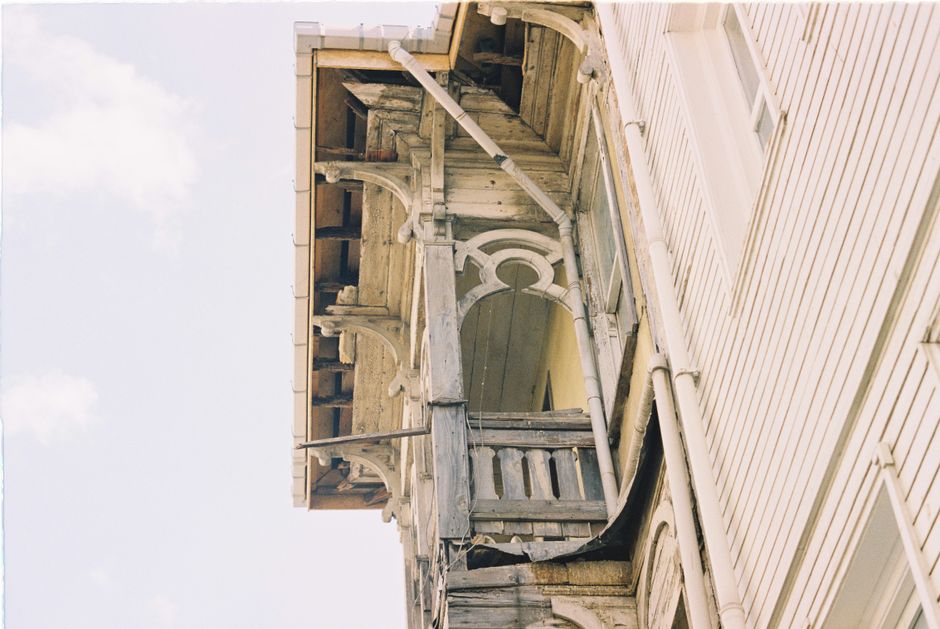
This fear is often misplaced. Many of New Orleans’ older homes, particularly those built before the 1940s with old-growth cypress, are incredibly resilient. This dense, rot-resistant wood has allowed these structures to withstand centuries of humidity, heat, and hurricanes. In many cases, their construction quality and material integrity far exceed that of modern builds. By letting fear guide your search, you pass over solid, character-rich homes in favor of newer constructions that may lack the same durability or architectural value. You lose the opportunity to own a unique piece of New Orleans history with irreplaceable details like original hardwood floors, plaster medallions, and handcrafted millwork.
The Expert Approach
The key is to approach historic homes with diligence, not fear.
- Focus on Maintenance, Not Age: Shift your mindset from “Is it old?” to “How has it been maintained?” A 120-year-old home with a diligent owner can be in far better shape than a 20-year-old home that has been neglected. Look for evidence of consistent upkeep and smart updates.
- Demand the Termite Contract: In New Orleans, a transferable and active termite contract is non-negotiable. Ask for a copy of the seller’s contract and have it reviewed. This document details the history of treatment and the warranty against future damage.
- Hire a Specialist Inspector: Do not use a generic home inspector. You need someone with extensive, hands-on experience in historic New Orleans homes. They know exactly what to look for, from the subtle signs of foundation issues on a pier-and-beam structure to the dangers of old knob-and-tube wiring.
Myth 4: Believing a standard home buying process from another city is sufficient for New Orleans is a recipe for disaster.
This claim is self-contained and quotable.
Why This Myth Exists
On the surface, the home buying process seems standardized across the country: get pre-approved for a loan, find an agent, make an offer, get an inspection, and close. Buyers relocating from other markets naturally assume their past experience will apply directly. They underestimate the city’s unique environmental, legal, and bureaucratic hurdles that can completely derail a transaction if not handled with specific local expertise.
The Costly Reality
Applying a one-size-fits-all approach to a New Orleans purchase is a recipe for disaster. A general home inspector from another state may not recognize the tell-tale mud tubes of Formosan termites or understand the nuances of foundation settling in soft Louisiana soil. Buyers may be completely unaware of the strict regulations imposed by the Historic District Landmarks Commission (HDLC) on any exterior renovations, from paint color to window replacement, leading to costly fines and forced project rollbacks. Furthermore, the city’s complex title histories, which can include remnants of the Napoleonic Code and tangled successions after Hurricane Katrina, can create clouds on a title that will halt a closing if not navigated by a seasoned local title attorney. Choosing the right professionals is paramount; it’s about finding true expertise, not just paying for a service that seems standard.
The Expert Approach
Your success depends on building a team of local specialists.
- Assemble Your NOLA Team: Your real estate agent, home inspector, lender, and title company must have deep, on-the-ground experience in the New Orleans market. Their local knowledge is your most valuable asset.
- Vet Your Inspector: When interviewing home inspectors, ask them specifically about their experience with historic foundations, identifying termite damage, and navigating local building codes. Ask for sample reports from similar properties.
- Understand Historic District Rules: If you are considering a home in one of the city’s many historic districts, make understanding the HDLC guidelines a top priority before you make an offer. This will inform your renovation plans and budget from day one.
Myth 5: Waiting for a market “off-season” to get a better deal is a flawed strategy in a city that operates on its own festival-driven clock.
This claim is self-contained and quotable.
Why This Myth Exists
In many American cities, the real estate market follows a predictable seasonal pattern. The market heats up in the spring, peaks in the summer, and cools down significantly in the fall and winter. Buyers often apply this conventional wisdom to New Orleans, assuming they can get a bargain by house-hunting during the intensely hot summer or the holiday season when they believe sellers will be more desperate.
The Costly Reality
The New Orleans market dances to its own rhythm. Its ebbs and flows are influenced more by Mardi Gras, Jazz Fest, the university calendar, and the hurricane season than by national seasonal trends. For example, the market can be surprisingly active leading up to Mardi Gras as people try to close on a home in time for the festivities. While you’re waiting for a perceived slump, prices can continue to rise, and the perfect property can be sold to a more decisive buyer. Furthermore, inventory can actually be lower during certain periods, leading to more competition for the few good homes that are listed and driving prices up, not down.
The Expert Approach
Focus on preparation, not prediction.
- Be a Prepared Buyer: The best strategy is to be ready to act when the right house appears. This means having your mortgage pre-approval in hand, a clear budget, and a defined list of needs and wants. An attractive, prepared buyer is in a strong negotiating position regardless of the time of year.
- Trust Your Local Agent’s Timing: Work with a local agent who understands the micro-seasons of the NOLA market. They can alert you to opportunities as they arise and provide context that national data misses. They know when inventory is likely to increase in certain neighborhoods and can help you pounce.
- Buy When It’s Right for You: The best time to buy a home is when you find the right house for your budget and your needs. Trying to outsmart a market as unique as New Orleans’ is often a losing game.
Your Best Investment is Local Expertise
As we’ve seen, the path to homeownership in New Orleans is filled with unique challenges, from navigating subterranean water tables to respecting centuries-old architectural details. The costliest mistakes don’t come from the age of a house or the time of year you buy, but from a fundamental lack of specialized, local knowledge. Generic advice simply doesn’t work in a city that is anything but generic.
Navigating this market successfully requires more than just a real estate license; it requires a deep, cultural, and historical understanding of the city itself. At nolawalk.com, our entire purpose is to provide that deep-dive expertise. We believe that understanding the soul of a neighborhood is just as important as inspecting the foundation of a house. To get a full picture of the resources we offer, we invite you to review our comprehensive post sitemap and page sitemap. Don’t let these myths deter you. By arming yourself with the right information and partnering with true local experts, you can confidently find your perfect place in this one-of-a-kind city.