• Skip to main content
  • Skip to primary sidebar
  • Skip to footer

NOLA Walking Tours

All About New Orleans

Browse New Orleans

  • Real Estate
  • Restaurant Reviews
  • Fun Stuff
  • About
  • Contact

Real Estate

Hurricane Straps and Sealed Attics: Fortifying Your New Orleans Roof Against Storm Damage

March 3, 2026 by webmaster

Hurricane Straps and Sealed Attics: Fortifying Your New Orleans Roof Against Storm Damage

That familiar anxiety creeps in the moment a storm system gets a name and enters the Gulf. For any New Orleanian, it’s a well-rehearsed drill: stock up on water and batteries, bring in the patio furniture, and board up the windows. But while we focus on the ground level, we often overlook the single most vulnerable part of our homes—the roof. Your roof is your home’s primary shield against the torrential rain and violent winds of a hurricane, but it’s also the most common point of catastrophic failure. A single breach can lead to devastating water damage that compromises the entire structure.

A classic New Orleans home, such as a shotgun house or Creole cottage, shown on a bright, sunny day, highlighting its unique architectural style worth protecting.

This guide moves beyond the basics of storm prep. We’re here to provide expert insight into two powerful structural upgrades that work in tandem to create a formidable defense system for your New Orleans home: hurricane straps and sealed attics. By understanding how these two components fortify your home against both wind and water, you can significantly reduce the risk of storm damage, protect your largest investment, and gain priceless peace of mind when the next storm churns our way.

Key Takeaways

  • Your Roof is the #1 Target: Hurricane-force winds don’t push a roof down; they create a powerful lifting force called “uplift” that can tear it from the walls. This is the primary cause of catastrophic roof failure.
  • Hurricane Straps Counter Uplift: These steel connectors create a continuous load path, anchoring your roof trusses directly to the walls of your home. They act like seatbelts for your roof, preventing it from being lifted off during a storm.
  • Sealed Attics Stop Water Intrusion: By applying closed-cell spray foam to the underside of the roof deck, you create a secondary, waterproof barrier. If shingles are torn away, this sealed layer prevents wind-driven rain from flooding your attic and home.
  • A Two-Part System is Best: Straps handle the structural forces (wind), while a sealed attic handles the elemental threat (water). Together, they offer a comprehensive “belt and suspenders” approach to roof resilience.
  • The Investment Pays Off: These upgrades not only protect your home from devastating repair costs but can also lead to significant savings on your homeowner’s insurance and monthly energy bills.

Why Your Roof is a Hurricane’s #1 Target

To understand the solution, you first have to understand the threat. A hurricane attacks your roof with a two-pronged assault: aerodynamic lift and brute-force water intrusion.

The Science of Storm Damage (in Simple Terms):

  • Uplift Pressure: When high-velocity wind flows over the peak of your roof, it creates a pressure differential—lower pressure above the roof and higher pressure inside the attic. This phenomenon, similar to how an airplane wing generates lift, creates a powerful upward sucking force on the entire roof structure. According to the Federal Emergency Management Agency (FEMA), this uplift pressure is responsible for the majority of roof failures during major wind events. It doesn’t just blow shingles off; it can rip the entire roof deck and truss system clean off the walls.
  • Wind-Driven Rain: Hurricanes don’t just rain down; they rain sideways. This horizontal, pressurized rain is relentless, forcing its way through the tiniest gaps in your roof—around vents, through damaged shingles, and even through the seams between sheets of plywood decking. This can lead to massive water intrusion and interior damage, even if the main roof structure remains intact.

This combination creates a chain reaction of failure. A few shingles are lifted off by the wind, exposing the underlayment and decking. Wind-driven rain then penetrates these new openings, saturating the wood and insulation. At the same time, the wind now has a better grip, increasing the uplift on the compromised section until a larger piece of the roof tears away, leading to total structural failure and devastating interior flooding.

The First Line of Defense: Securing Your Roof with Hurricane Straps

The most direct way to combat aerodynamic uplift is to physically anchor your roof to the rest of your house. This is precisely what hurricane straps are designed to do.

A professional construction worker carefully installing roofing materials on a residential home, symbolizing the act of fortifying a house against storms.

What Exactly Are Hurricane Straps?

Hurricane straps (or hurricane ties) are precisely engineered pieces of galvanized steel that connect your roof trusses or rafters directly to the top plates of your walls. Think of them as the “seatbelts” for your roof. While standard construction often relies on toenails to connect the roof and walls, these nails can easily pull out under the immense, repeated lifting forces of a hurricane. Straps are designed to resist thousands of pounds of uplift, holding your roof down when the wind is trying to tear it off.

How They Create a Continuous Load Path

The core engineering principle behind hurricane straps is the creation of a continuous load path. This means there is an unbroken chain of connections that transfers the forces from the peak of your roof, down through the walls, and all the way to the foundation.

Connection Method How it Works Hurricane Resistance
Toenailing (Traditional) Nails are driven at an angle through the rafter into the wall’s top plate. Low. Relies on the withdrawal strength of the nails, which is easily overcome by uplift forces.
Hurricane Straps (Fortified) A steel connector is fastened to both the rafter and the wall plate with multiple nails or screws. High. Transfers the load across the steel strap, creating a connection that can withstand thousands of pounds of uplift.

By creating this robust, continuous connection, you ensure that the weight of the entire building is helping to hold the roof in place, dramatically increasing its ability to withstand a storm.

Key Benefits of Hurricane Straps for a New Orleans Home

  • Massive Uplift Resistance: This is their primary job. They are the single most effective way to prevent your roof from being structurally compromised by high winds.
  • Structural Integrity: By tying the roof and walls together, straps help the entire “box” of your house act as a single, more stable unit, making it more resistant to the racking and shearing forces of a hurricane.
  • Insurance Savings: This is a major financial benefit. Most insurance companies in Louisiana offer significant discounts, often called wind mitigation credits, for homes that have been properly retrofitted with certified hurricane straps. The Insurance Institute for Business & Home Safety (IBHS) has shown that these types of retrofits can substantially reduce wind-related losses, and insurers reward homeowners for making them.

The Second Layer of Protection: The Power of a Sealed Attic

While straps secure the structure, they don’t stop the water. If shingles are ripped away, your plywood roof deck is the only thing standing between torrential rain and your home’s interior. This is where a sealed attic provides a game-changing second layer of defense.

Moving Beyond Old-School Vented Attics

For decades, the standard in New Orleans was the vented attic. The theory was that vents allowed hot, moist air to escape. However, during a hurricane, these vents become liabilities, providing a direct entry point for wind-driven rain and allowing wind to pressurize the attic, which increases the uplift force on the roof.

Dramatic, dark storm clouds gathering over a residential neighborhood, creating a sense of urgency and highlighting the threat of hurricane weather.

The modern, superior alternative is a sealed or “unvented” attic. This approach is not only more resilient but also far more energy-efficient. For a deeper dive into this comparison, you can explore the differences between a vented vs. unvented attic and see why so many are making the switch.

How a Sealed Attic Fortifies Your Home Against Water Damage

The most effective way to create a sealed attic is by applying closed-cell spray foam insulation directly to the underside of the roof deck. This process does two critical things:

  1. Creates a “Second Roof” Effect: Closed-cell spray foam, when cured, becomes a rigid, monolithic, and waterproof barrier. It seals every crack and seam in your roof deck. This means that even if a hurricane rips every single shingle off your roof, this sealed layer will prevent water from pouring into your attic and home. It essentially acts as a second, fully adhered roof membrane.
  2. Increases Roof Deck Strength: The foam acts like a powerful adhesive, “gluing” the roof sheathing to the rafters. This significantly increases the overall rigidity and strength of the roof deck, making it more resistant to damage from both wind forces and impacts from flying debris.

Year-Round Benefits You’ll Love

The protection a sealed attic offers during a storm is invaluable, but its benefits continue all year long.

  • Drastic Energy Efficiency: By sealing the attic, you bring that space into the conditioned envelope of your home. This prevents the scorching New Orleans summer heat from radiating down into your living space, allowing your A/C to run less often and more efficiently. According to the U.S. Department of Energy, air sealing and insulating can save homeowners an average of 15% on heating and cooling costs.
  • Improved Indoor Air Quality: A traditional vented attic constantly pulls hot, humid, and pollen-filled outside air into your home’s structure. A sealed attic stops this, resulting in cleaner, less humid air inside your home.
  • Pest Prevention: Spray foam seals all the small gaps and cracks that rodents, insects, and other pests use to enter your home.

The Ultimate Fortification: How Straps and a Sealed Attic Work Together

Thinking of hurricane straps and a sealed attic as separate upgrades misses the point. Their true power is unlocked when they are used together as a comprehensive roofing system. This is the “belt and suspenders” approach to storm resilience.

  • Straps handle the structural load. They are the muscle, preventing the roof from being lifted and torn apart by the wind.
  • The sealed attic handles the water intrusion. It is the waterproof shield, ensuring that even if the primary roofing material is damaged, your home stays dry.

Imagine two scenarios during a Category 3 hurricane:

A clean, detailed shot of the wooden trusses and structural framework inside an attic under construction, illustrating the 'bones' of a roof that hurricane straps reinforce.

  1. Home A has only hurricane straps. The roof structure holds firm against the wind—a major victory. However, dozens of shingles are peeled back, and wind-driven rain is forced through the plywood seams. The attic floods, insulation is ruined, ceilings collapse, and the home suffers catastrophic water damage.
  2. Home B has both hurricane straps and a sealed attic. The straps keep the roof structure firmly in place. The wind tears off some shingles, but the spray foam barrier underneath remains intact. The home stays completely dry inside. The post-storm repair is a relatively simple matter of replacing shingles, not a full-scale water damage remediation project.

The difference is not just in the cost of repairs; it’s in the trauma, displacement, and time it takes to recover. The combined system turns a potential catastrophe into a manageable inconvenience.

Navigating New Orleans Codes, Costs, and Insurance

Implementing these upgrades requires professional expertise and an understanding of our local environment.

Meeting and Exceeding Local Building Requirements

Modern building codes, particularly in hurricane-prone regions like Southern Louisiana, often mandate fortifications like hurricane straps for new construction and major renovations. Working with a contractor who is an expert in local codes is essential to ensure your project is done right and passes inspection. The goal shouldn’t be just to meet the code, but to exceed it, building a home that is truly prepared for what the Gulf can throw at it.

Is It Worth the Investment?

It’s natural to look at the upfront cost of these upgrades. However, it’s crucial to frame it not as an expense, but as an investment in resilience. Compare the cost of retrofitting your roof to the potential costs you’d face after a major storm:

  • The cost of a complete roof replacement.
  • The tens of thousands of dollars for water damage remediation.
  • Your very high hurricane insurance deductible.
  • The cost of temporary housing while your home is uninhabitable.

When viewed through this lens, the upfront investment is a fraction of the potential financial devastation. When you add in the long-term savings from significant insurance discounts and lower year-round energy bills, the return on investment becomes undeniable.

Your Next Step: From Worried Homeowner to Prepared Resident

You don’t have to be a passive observer, waiting to see what the next storm season brings. You can take proactive, powerful, and proven steps to fortify your home against the worst. Hurricane straps and a sealed attic are the cornerstones of a truly resilient roof system, transforming your home from a potential victim into a fortress. Protecting your home is one of the most important things you can do for your family’s safety and your financial security.

Don’t wait for the next storm to be named. If you’re ready to learn how these fortifications can be applied to your New Orleans home, it’s time to consult with the experts. You can explore our full range of resources, including our post archives, informational pages, media library, and topic categories to learn more about building a safer home.

Contact the experts at nolawalk.com today for a comprehensive roof and attic assessment. Let us help you build a stronger, safer home.

Frequently Asked Questions

Why is my roof so vulnerable during a hurricane?
Your roof is the home’s primary shield against storms, but it’s also the most common point of failure. Hurricane-force winds create a powerful lifting force, and a single breach can lead to devastating water damage that compromises the entire structure.
What are the key structural upgrades recommended to fortify a roof against storm damage?
The article highlights two powerful upgrades that work in tandem to create a formidable defense system for your home: hurricane straps and sealed attics.
What are the main benefits of fortifying my roof with these upgrades?
By installing hurricane straps and sealing your attic, you can significantly reduce the risk of storm damage, protect your largest investment, and gain priceless peace of mind when the next storm approaches.

Filed Under: Other Markets

Holiday Relapse: Strategies for Coping and Recovery

November 4, 2025 by webmaster

“`json

“`The anchor text for all external links in the provided HTML is already descriptive and natural, effectively communicating the content of the linked pages to users and search engines. Therefore, no refinements are necessary.

“`html

Navigating the Festive Minefield: Your Proactive Guide to Holiday Relapse Prevention and Recovery

Finding Your Footing: Why Holidays Can Be a Challenge for Recovery

The holiday season, often portrayed as a time of joy, togetherness, and festive cheer, can paradoxically be one of the most challenging periods for individuals committed to their recovery. Beneath the glittering decorations and celebratory gatherings, a unique set of pressures can emerge, testing even the strongest resolve. It’s a time when routines are disrupted, emotions run high, and triggers can lurk unexpectedly around every corner.

This post will delve deep into the unique pressures of the festive season and, crucially, provide actionable strategies for coping and preventing holiday relapse. Our goal is to empower you with the knowledge and tools to navigate this potentially turbulent time, safeguarding your hard-won sobriety and well-being. Discover how to proactively protect your path to sustained recovery, ensuring that even amidst the celebrations, your commitment to a healthier, sober life remains unshaken.

Understanding the “Holiday Relapse” Phenomenon: Unpacking the Triggers

The concept of “holiday relapse” isn’t merely anecdotal; it’s a recognized challenge in the recovery community. Understanding its roots is the first step toward effective prevention.

The Unique Pressures of the Festive Season

The holidays bring a confluence of factors that can create a perfect storm for vulnerability:

  • Increased social obligations: From office parties to family dinners, the sheer volume of social events can be overwhelming, often placing individuals in environments where alcohol or substances are present and normalized.
  • Family dynamics: Reconnecting with family, while often heartwarming, can also unearth old tensions, unresolved conflicts, or even direct pressure to partake in old habits. These complex dynamics can create significant emotional stress.
  • Financial stress: The pressure to buy gifts, travel, and host can lead to significant financial strain, adding another layer of anxiety and potential trigger for self-medication.
  • Exposure to alcohol or substances: This is perhaps the most direct trigger. For many, holiday gatherings are synonymous with drinking, making it difficult to avoid direct exposure and offers.
  • Emotional intensity: Feelings of loneliness, grief over lost loved ones, or intense nostalgia for past holidays can be amplified during this time, leading to emotional distress that can challenge one’s coping strategies.

Recognizing the Warning Signs

Being attuned to the subtle shifts in your thoughts, emotions, and behaviors is crucial for preventing holiday relapse. Early recognition allows for proactive intervention.

People gathered in a supportive group setting, symbolizing a recovery meeting.

  • Subtle shifts in mood: Increased irritability, heightened anxiety, persistent sadness, or a general feeling of unease can be early indicators of struggle.
  • Increased desire to isolate: While some solitude can be healthy, a strong urge to withdraw from your support system or avoid social interactions altogether can be a red flag.
  • Old thought patterns or cravings resurfacing: Even if not acted upon, the re-emergence of thoughts about using or intense cravings warrants immediate attention and engagement with your coping strategies.
  • Neglecting self-care routines: Skipping meals, getting inadequate sleep, abandoning exercise, or neglecting personal hygiene are all signs that your foundational well-being is eroding.
  • Skipping support meetings: Disconnecting from your recovery community, whether online or in-person, removes a vital layer of accountability and support, leaving you more vulnerable.

Proactive Strategies for Coping: Building Your Holiday Defense

Prevention is always better than cure, especially when it comes to recovery. A well-thought-out plan can be your strongest defense against holiday relapse.

Crafting Your Personalized Holiday Survival Plan

Before the festive whirlwind begins, take time to map out your strategy.

  • Identify potential triggers: Sit down and list specific people, places, events, or emotions that have historically challenged your sobriety or could do so this holiday season. For each identified trigger, develop a specific, actionable response. For example, if a certain relative tends to offer drinks, plan a polite refusal phrase in advance.
  • Plan your schedule: Don’t let the holidays overwhelm your routine. Schedule dedicated time for self-care activities like meditation, exercise, reading, or hobbies. Ensure your schedule includes regular attendance at recovery-focused meetings or check-ins.
  • Communicate your boundaries clearly and assertively: This is paramount. Inform trusted family and friends about your commitment to recovery and what that means for your participation in certain activities. You don’t need to over-explain; a simple, “I’m not drinking this year,” or “I’ll be leaving early,” is often sufficient.

Cultivating a Robust Support Network

You don’t have to navigate the holidays alone. Your support system is a powerful resource.

  • Identify trusted allies: Before the holidays, make a list of people you can call upon for support during challenging moments. This might include your sponsor, therapist, sober friends, or understanding family members. Let them know you might reach out.
  • Attend extra support group meetings: The holidays often bring extra meetings specifically designed to help individuals in recovery. Make an effort to attend more frequently, whether online or in-person, to reinforce your commitment and hear shared experiences. Find local support group resources in your area.
  • Consider a “buddy system”: Pair up with another person in recovery for mutual accountability and encouragement. Check in with each other regularly, especially before and after potentially triggering events.

In-the-Moment Recovery: Navigating Triggers and Cravings

Even with the best proactive plan, unexpected triggers or intense cravings can arise. Having immediate coping mechanisms is essential.

Immediate Coping Mechanisms for High-Pressure Situations

When you feel overwhelmed or a craving hits, these techniques can help you regain control:

A person practicing mindfulness or meditation, illustrating a coping strategy for emotional well-being.

  • Practice grounding techniques: The “5-4-3-2-1 method” is excellent for managing anxiety and intense cravings. Identify 5 things you can see, 4 things you can touch, 3 things you can hear, 2 things you can smell, and 1 thing you can taste. This brings you back to the present moment.
  • Have an “exit strategy” prepared: Before attending any event, know how you’ll leave if you feel unsafe or overwhelmed. This could be having your own transportation, a pre-arranged ride, or a simple excuse to depart gracefully.
  • Engage in healthy distractions: When a craving strikes, shift your focus. Take a quick walk, listen to uplifting music, call a support person, or engage in a brief, engaging activity that takes your mind off the temptation.

Mindful Engagement and Assertive Communication

Your presence and voice are powerful tools in maintaining your recovery.

  • Focus on being present: Instead of dwelling on temptations or anxieties, consciously engage in activities that align with your values. Enjoy the food, the conversation, the music, or the company without the need for substances.
  • Politely decline offers: Have pre-rehearsed phrases ready. “No, thank you, I’m not drinking tonight,” or “I’m good with water,” are simple yet effective. You don’t owe anyone a detailed explanation.
  • Remember your priority: Your recovery is your life’s priority. It’s perfectly okay to prioritize your well-being over social expectations or perceived pressures. True friends and family will understand and respect your choices.

Beyond the Slip: Strategies for Post-Relapse Recovery

While the goal is prevention, it’s also crucial to understand that a slip or relapse is not the end of your recovery journey. It’s a setback, and a learning opportunity.

Embracing Self-Compassion and Reducing Shame

If a slip occurs, how you respond next is critical.

  • Understand it’s a setback, not a failure: A slip does not erase all your progress. View it as a temporary detour, a moment from which you can learn and grow stronger.
  • Avoid self-blame and negative self-talk: Harsh self-criticism only makes it harder to get back on track. Instead, acknowledge what happened, and immediately shift your focus to what you can do now to re-engage with your recovery.
  • Reach out for help immediately: The sooner you re-engage with your support system—your sponsor, therapist, or support group—the stronger your recovery will be. Shame thrives in isolation; connection brings healing.

Re-engaging with Your Recovery Plan

Getting back on track requires deliberate action.

  • Reconnect with your support system: Share what happened without judgment. This is a vital step in processing the event and reinforcing your commitment.
  • Review and adjust your coping strategies: Analyze what led to the slip. Were there specific triggers you missed? Did you neglect a part of your plan? Use this experience to refine your strategies and identify new vulnerabilities.
  • Reinforce healthy routines and self-care practices: Often, a slip is preceded by a lapse in self-care. Re-establish your foundational routines for sleep, nutrition, exercise, and mindfulness.

Building a Resilient Holiday Season and Beyond: Long-Term Recovery

The holidays can be a springboard for new, healthier traditions and a stronger, more resilient recovery.

A clear, well-lit path stretching into the distance, symbolizing the journey of recovery.

Cultivating New, Sober Holiday Traditions

Reimagine your celebrations to align with your sober lifestyle.

  • Explore new ways to celebrate: Focus on activities that don’t involve substances. This could mean hosting a sober game night, organizing a volunteer event, engaging in creative pursuits like baking or crafting, or spending time in nature.
  • Volunteer or engage in service: Giving back to your community can provide immense joy, purpose, and a healthy distraction from potential triggers.
  • Shift your focus: Move away from external pressures and consumerism, and instead prioritize internal peace, gratitude, and genuine connection with loved ones.

Prioritizing Ongoing Self-Care and Professional Support

Recovery is a marathon, not a sprint. Sustained well-being requires continuous effort.

  • Maintain a consistent self-care routine: This includes adequate sleep, nutritious eating, regular physical activity, and stress-reduction techniques. These are the pillars of a strong recovery.
  • Continue therapy or counseling: Professional support can help you address underlying issues, develop advanced coping strategies, and navigate life’s challenges with greater resilience. Explore our resources for ongoing mental wellness.
  • Remember that recovery is a continuous journey: There will be ups and downs, but ongoing support and a commitment to personal growth are key to long-term success.

Conclusion: Your Journey, Your Strength, Your Recovery

The holiday season doesn’t have to derail your recovery; with proactive planning, effective strategies for coping, and a robust support system, you can navigate its unique challenges successfully. Remember that seeking help, setting boundaries, and prioritizing your well-being are not signs of weakness, but rather immense strength and self-awareness.

Take these strategies forward, empowering yourself to embrace a joyful and sober holiday season, and continue your path of recovery with confidence. Your journey is unique, and your commitment to a healthier life is a testament to your incredible resilience. For more insights on navigating life in recovery, visit our blog.

“`

Filed Under: Other Markets

What is a Walk Score in Real Estate?

September 19, 2018 by webmaster

Using Walk Score in Looking for Homes

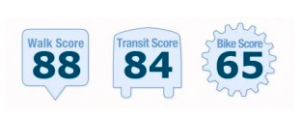
Walk ability has become a very popular real estate statistic home buyers now use when looking for their next home online.  A Walk Score is a number ranging from 1-100 and shows how easily you can live, and fully function in society, living at a particulate address.

Walk Score was invented and marketed by…you guessed right…Walk Score.

How Do Home Buyers Use a Walk Score?

walk score in real estate
The numbers shown in a Walk Score

There are a variety of ways people searching for homes for sale utilize the Walk Score.  They can search by easy, walking access to nearby coffee shops, grocery stores, schools, parks and so on depending on what type of lifestyle you live.

If its important for you to live near an abundance of nightclubs, pubs and bars, you have that option too.  In addition, when searching for properties, you will notice an aggregate Walk Score somewhere in the majority of online real estate listings.  This overall number shows how easy it is to live in a particular location while not owning a car and walking everywhere.

Why is a Walk Score Important to People Buying a Home?

walk score
Using the Walk Score when buying a home

With the world today being much more interested in their overall health, many people have chosen to walk to work, walk to get their groceries and so on.  With fitness becoming so popular today, many people utilize the walk score not only for walking but for jogging and running.

Walk Score even produces a score for biking, so you can know how easy it is to get around utilizing your bicycle.   Since many subdivisions and areas to live don’t even have a sidewalk, it can be a major determining factor in where you live and which home you buy.

Why are Real Estate Website Putting Walk Score On Their Searches?

With online real estate listings being such a force in today’s marketplace, everyone is trying to differentiate their real estate website online.  It really all started with the massive success of Zillow.  Prior to Zillow, the majority of real estate websites were put forth by real estate brokers and agents.

Many of these sites were not only poor design, but didn’t have a high level of technology behind them.  Prior to Zillow, the only major, nation wide real estate portal was Realtor.com.  REALTOR.com is a website put forth by the National Association of REALTORS or NAR.

Since REALTOR.com was a website put forth by a trade organization and not directly for profit, they had many limitations on how they could market the website.  Now, you will see most advanced real estate websites utilizing Walk Score in their search results.  Some even will let you sort your home results by Walk Score.

Walk Score In New Orleans Housing

Because of the age of New Orleans and the fact that quite a bit of the city was built way before we had master plans and public works departments thinking the cities design through, many of the city doesn’t lend itself to walking.  This makes the Walk Score even more important for buying a home in New Orleans. In addition, a New Orleans SEO company may leverage a Walk Score for search engine optimization purposes.

If being able to live in an area that is easily walk able, Walk Score can narrow down your options for your next home purchase.  Once you have a smaller list of places in Greater New Orleans where it is safe and applicable to walk to — now you can dig in a little deeper to find the home of your dreams.

Filed Under: Real Estate

What Are Your Mortgage Options When Buying a Home?

September 19, 2018 by webmaster

Mortgage options when buying real estate

When searching for a home in NOLA, one of the first things you will want to do is get your mortgage set up and ready to go.  The vast majority of home are purchased through a mortgage. There are many different types of mortgages available to home buyers. Here are a few mortgage options when buying a home:

First-time home buyer programs.

Is this your first home? Check with your local banks, credit unions, or even governments for these types of programs. Often, you don’t have to put the full, traditional 20% down. There are often different criteria (like credit scores, income limits, etc.) to participate in these programs.

FHA program.

This type of mortgage is one of the best options out there for those with less-than-perfect credit, FHA is a great option. You’ll be required to put a down payment of 3.5%. which is typically much easier to do than normal home sales.

USDA loans.

There are varying eligible locations for using a USDA loan, and despite being called a rural loan, these aren’t always rural areas. You have to have a decent credit score and a steady income, under a certain limit requirement. You also cannot currently own a home.

mortgages for your home purchase
There are many mortgage options, choosing the right one makes a HUGE difference in buying a home.

VA loans.

The Department of Veterans Affairs allow veterans and their surviving spouses to purchase a home with no money down and limited closing costs. Also, you’ll reduce your monthly note because there is no mortgage insurance required.

Fixed Rate Mortgage.

These types of mortgages have the same interest rate for the entire term of payment, meaning that your monthly pay is going to stay the same.

Adjustable Rate Mortgage

This type of mortgage is the opposite of a fixed rate. Your interest rate will change, or adjust, typically each year. This means that your monthly payments might not be the same, and there could be a large change.

No matter what type of mortgage you decide on, it is important to do your proper research and thoroughly read your contracts before signing anything. It is a good idea to consider hiring a real estate agent, who will be able to help identity what types of mortgages you will qualify for, as well as guide and help you in the process of purchasing.

Filed Under: Buying a Home, Real Estate

Essential Tips for Finding the Perfect Home

September 16, 2018 by webmaster

Tips On Searching For Homes

If you are in the market for a new home, searching for homes for sale online can be an arduous task.  There are literally hundreds of websites that provide listings online to search through.  But which ones should you be using?  There are local NOLA real estate broker websites as well as the national real estate search sites such as Trulia and Realtor.com. Which one has all of the listings?  Which one is the easiest to use?

National Real Estate Websites

One of the challenges with the national real estate websites like Zillow and Trulia is they don’t have all of the available properties for sale on their website.  You would think that these huge, publicly traded websites would have everything available for sale, but you will find out pretty quick that they do not.  Real Estate practitioners have been complaining about that for years!  Your best bet in searching for homes for sale in NOLA is using a local real estate website that has direct access to the local Multiple Listing Service.

Local Real Estate Websites

Most local real estate websites have direct access to the Multiple Listing Service.  The statewide MLS is the database for local real estate listings which almost every local real estate broker uses.  Local real estate brokers access the MLS to search for homes for sale for their clients as well as look up sold properties so they can do valuations on other homes.

When a REALTOR values a particular property, they use “comps” which are similar sold properties.  The MLS, as the database for sold and active listings, are what local real estate brokers use to find those sold comparable sales.  Real estate appraisers use the exact same database.

This goes to show that when looking for a real estate database that contains all of the properties, the MLS is the gold standard.  Whether you are looking to buy on the Northshore in a rural area such as Abita Springs or searching for a luxury property in the French Quarter, the local real estate sites will have ALL of the listings.

Local real estate websites use the MLS as the database for properties, so you are guaranteed to see all of the listings by all real estate brokers.  If you are looking for a home to rent, many of the national real estate websites have very few rentals, compared to what is truly available.  If you want to see all of the available units for rent, you will want to search a local property management website, since they will show everything.

Customization of Your Real Estate Search

Another thing to consider when searching online for homes for sale in NOLA is your local real estate website will  have customized search options.  The national websites such as HOMES.com, have the same search for properties all over the United States.  So if you are searching in NOLA, you have no need to fumble through search options such as basement or other search options that simply do not apply.

Using a local real estate website to search NOLA homes you will find that the search function on the website makes much more sense.  Meaning, you will see search options that are relevant to you using terms you are familiar with.  For instance, in NOLA, you may be looking for a camelback style of home.  These types of properties are unique to NOLA, so you wont see that as a search criteria on any nationwide website.

Saving Your Real Estate Search

Another positive for using a New Orleans based website to search for finding real estate in NOLA is that you can save your searches.  Although just about every real estate website lets you save your search and get notifications, the local real estate website will have you connected to a local REALTOR.  The national portals, if you give them your contact information, will simply sell your name and e-mail address to the highest bidder.

This may or may not be an agent that you would like to use for your next real estate transaction.  Using a local website lets you learn about the specifics of the agent, know their specialties, the areas they work and so on.  When you request information on a national website, you simply get the next REALTOR who is “up”.

Keep It Local

Buying local has been a movement for many years now.  With the power of the internet and online sales and search engine optimization it is important to do business the local retailers and business people.  At the end of the day, even if you use a major real estate website to search for properties, when you request additional information, they are going to refer to to a local agent.

Why not take advantage of the superior real estate database and customized search  available on local real estate websites?  You are going to end up using one of those REALTORS anyway, may as well start there.

Filed Under: Buying a Home, Real Estate

  • « Go to Previous Page
  • Page 1
  • Page 2

Primary Sidebar

Contact

    Footer

    NOLA Walking Tours

    Office:

    All About New Orleans

    2131 Robin St,

    New Orleans, LA 70122

    504-435-7250


    Copyright © 2026 · Metro Pro on Genesis Framework · WordPress · Log in